Customer Relationship Management (CRM): The Ultimate Guide for Businesses
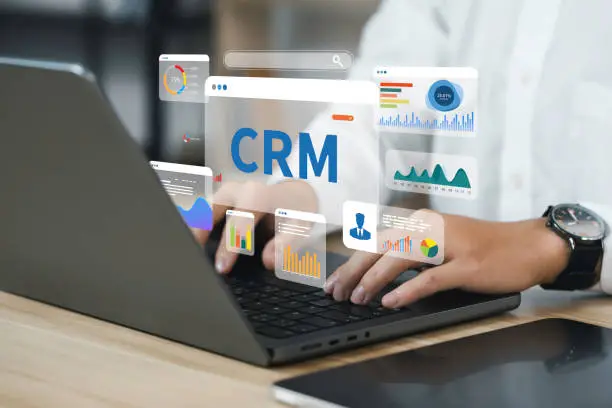
Customer Relationship Management (CRM) is a strategy that businesses use to manage interactions with customers, improve relationships, and enhance customer satisfaction. CRM systems help companies streamline processes, automate tasks, and gain insights into customer behaviors, which ultimately leads to better decision-making and increased profitability.
In this comprehensive guide, we’ll explore the fundamentals of CRM, its benefits, key components, types, features, implementation strategies, and best practices for maximizing its potential.
What is Customer Relationship Management (CRM)?
CRM is a combination of strategies, technologies, and practices used by businesses to manage and analyze customer interactions throughout the customer lifecycle. It aims to improve business relationships, enhance customer retention, and drive sales growth.
A CRM system collects data from various communication channels, including email, social media, phone calls, and live chat, allowing businesses to track customer interactions and personalize their approach.
Benefits of CRM
CRM systems offer several advantages that can positively impact a business’s growth and customer satisfaction levels:
1. Enhanced Customer Relationships
A CRM system stores detailed customer information, such as past purchases, preferences, and interactions, enabling businesses to provide personalized services and recommendations.
2. Improved Customer Retention
By tracking customer interactions and feedback, businesses can proactively address customer concerns and ensure continued engagement, reducing churn rates.
3. Increased Sales and Revenue
CRM software automates sales processes, provides sales insights, and enables targeted marketing campaigns, leading to increased conversions and revenue growth.
4. Better Communication and Collaboration
CRM systems centralize customer data, making it accessible to different departments, such as sales, marketing, and customer support, ensuring seamless collaboration.
5. Data-Driven Decision Making
CRM analytics provide valuable insights into customer behavior, preferences, and trends, helping businesses make informed decisions to optimize strategies.
Types of CRM Systems
Businesses can choose from different types of CRM systems based on their needs and objectives:
1. Operational CRM
Operational CRM focuses on streamlining and automating customer-facing processes, such as sales, marketing, and customer service. Key features include:
- Lead and contact management
- Sales force automation
- Customer service automation
- Marketing campaign management
2. Analytical CRM
Analytical CRM helps businesses analyze customer data to improve decision-making. It includes:
- Customer segmentation
- Predictive analytics
- Performance tracking
- Customer behavior insights
3. Collaborative CRM
Collaborative CRM enhances communication and data sharing between departments and with customers. Features include:
- Multi-channel customer support
- Internal team collaboration
- Document and knowledge sharing
- Customer feedback management
4. Strategic CRM
Strategic CRM focuses on long-term customer engagement and relationship-building. Features include:
- Customer lifecycle management
- Brand loyalty programs
- Customer journey mapping
- Advanced personalization tools
Features of CRM Systems
CRM systems come with a variety of features to help businesses manage customer interactions effectively. Key features include:
1. Contact and Lead Management
CRM stores customer information, including contact details, purchase history, and communication records.
2. Sales Automation
Automates tasks such as follow-ups, lead scoring, and sales forecasting to improve efficiency.
3. Marketing Automation
Facilitates email marketing, campaign tracking, and personalized customer engagement.
4. Customer Support and Service
Includes ticketing systems, chatbots, and self-service portals to enhance customer experience.
5. Reporting and Analytics
Provides insights into customer behavior, sales trends, and campaign effectiveness.
6. Integration Capabilities
Allows seamless integration with third-party applications, such as email platforms, e-commerce systems, and social media.
7. Mobile Accessibility
Enables sales and support teams to access CRM data on the go through mobile applications.
How to Implement CRM Successfully
To maximize the benefits of a CRM system, businesses should follow a structured implementation plan:
1. Define Your Objectives
Identify your business goals, such as improving customer support, increasing sales, or streamlining marketing efforts.
2. Choose the Right CRM Software
Select a CRM solution that aligns with your business size, industry, and specific requirements.
3. Train Your Employees
Ensure that all team members understand how to use the CRM system effectively through proper training and support.
4. Integrate with Other Tools
Integrate your CRM with other business software, such as email marketing platforms, e-commerce tools, and customer support systems.
5. Monitor and Optimize
Regularly track CRM performance using analytics and make necessary adjustments to improve efficiency.
Best Practices for CRM Success
To get the most out of your CRM system, follow these best practices:
Keep Customer Data Updated: Ensure all customer information is accurate and regularly updated.
Personalize Customer Interactions: Use CRM insights to deliver tailored recommendations and services.
Automate Where Possible: Leverage automation for repetitive tasks to save time and improve efficiency.
Measure Performance: Use CRM analytics to assess the effectiveness of sales and marketing strategies.
Encourage User Adoption: Provide continuous training and support to employees to ensure widespread adoption of the CRM system.
Future Trends in CRM
The CRM industry is evolving rapidly, with new trends shaping its future:
AI and Machine Learning: AI-powered CRM systems can predict customer needs, automate responses, and improve decision-making.
Omnichannel Customer Engagement: Businesses are integrating multiple communication channels to provide a seamless customer experience.
Mobile CRM: Mobile-friendly CRM solutions enable businesses to manage customer relationships on the go.
Blockchain for Security: Blockchain technology is enhancing CRM security and data privacy.
Conclusion
Customer Relationship Management is essential for businesses looking to enhance customer engagement, boost sales, and streamline operations. By choosing the right CRM system, implementing it effectively, and following best practices, companies can maximize their customer relationships and drive long-term success.
Whether you are a small business or a large enterprise, investing in a CRM system can provide a competitive edge in today’s dynamic market. Start leveraging CRM today to build stronger customer relationships and achieve your business goals!
Also read: How to Track and Improve Marketing Performance Using KPIs
Rajesh Pant is a Civil Engineer and Infrastructure Management professional with approximately 25 years of experience in the planning, implementation, coordination, management and execution of large-scale government infrastructure projects. His professional experience encompasses project management, procurement, contract administration, construction management and quality control of infrastructure projects.
He also possesses nearly eight years of experience in Externally Aided Projects (EAPs), particularly in project implementation, procurement and contract management of World Bank-funded projects. His professional exposure includes working with projects financed by multilateral development organisations, providing valuable insights into international procurement practices, project implementation frameworks and contract management requirements.
He holds a Master of Technology (M.Tech.) in Civil Engineering and a Master of Business Administration (MBA) in Infrastructure Management, combining technical engineering expertise with management and administrative capabilities.
With extensive experience in public infrastructure development and government project management, Rajesh brings a practical, multidisciplinary perspective to the fields of contract management, procurement, project management and construction management.